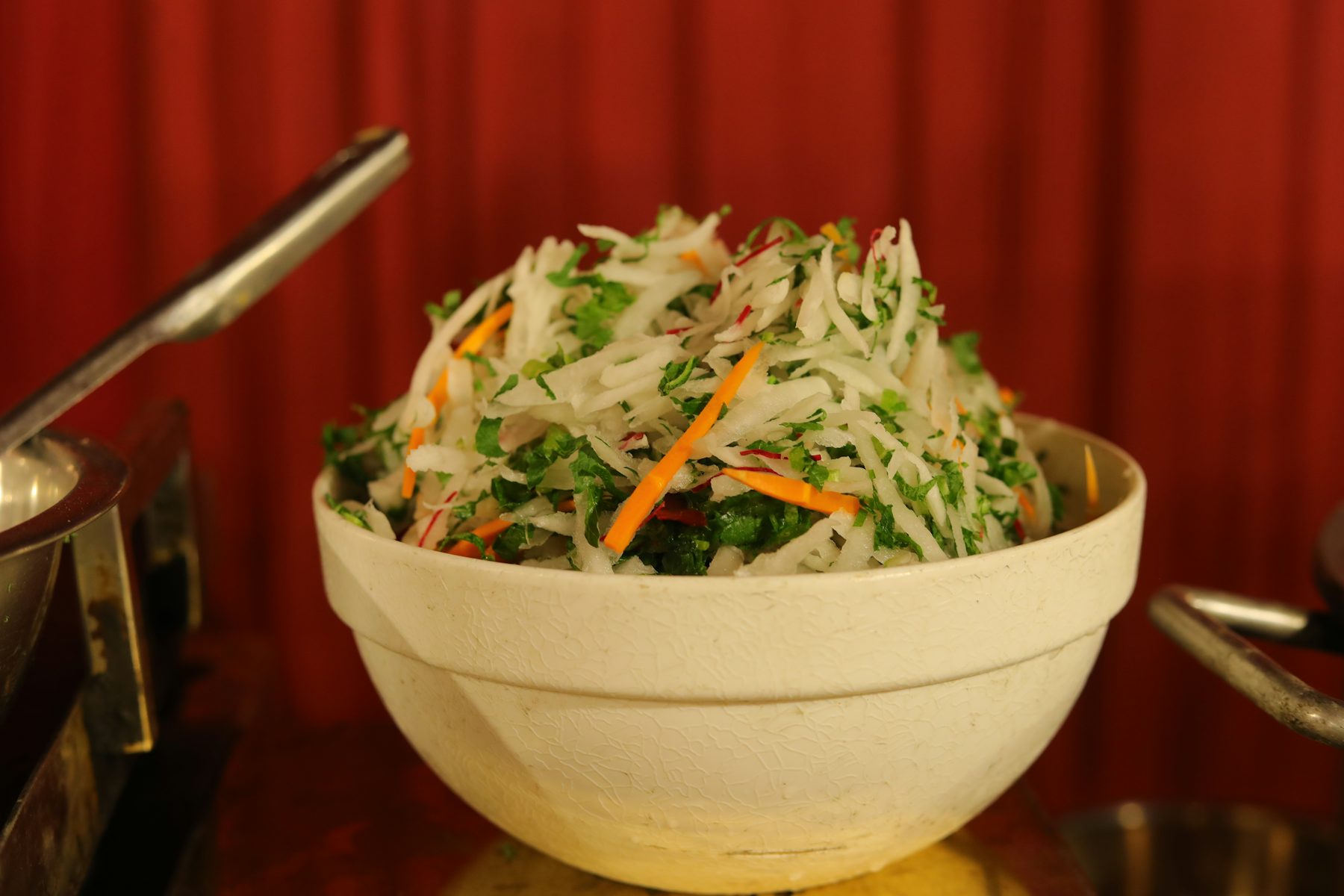
What makes a grain whole?
A whole grain contains all three parts of the original grain: the bran, the germ and the endosperm. The bran provides much of the fibre, while the germ contains oils, vitamins and minerals; the endosperm supplies much of the starch and protein. During refining, the bran and germ are usually removed, leaving a finer-textured product with less fibre and a different nutrient profile. Wholemeal, whole wheat and wholegrain are useful label terms, but wording varies by product and country. “Multigrain” simply means that more than one grain is present; it does not guarantee that the grains are whole. Check the ingredients list and compare fibre per 100 g when choosing between products.
Examples and everyday choices
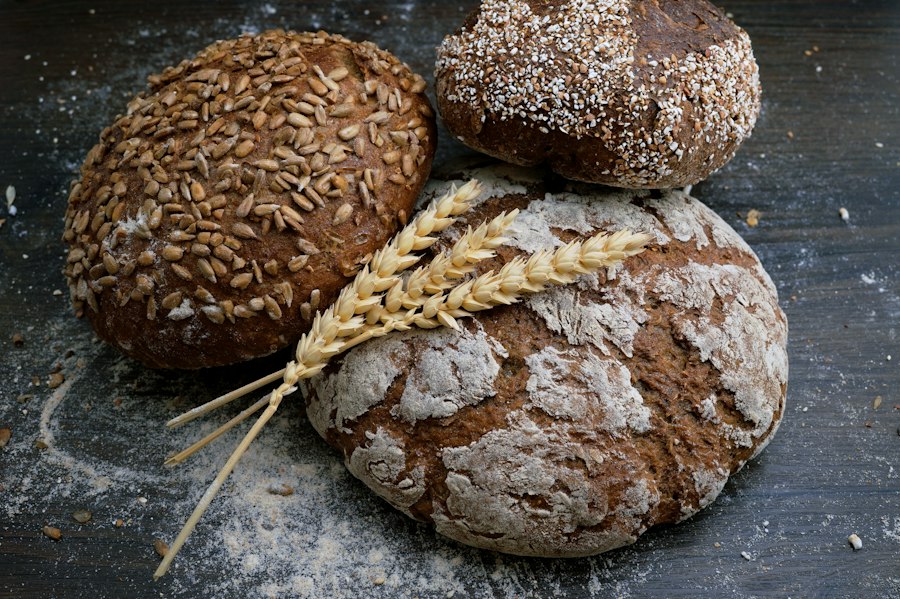
Oats, brown rice, wholemeal wheat, rye, barley, bulgur, buckwheat, millet, quinoa and wholegrain maize are examples of grains or grain-like seeds used in meals. Some are naturally gluten-free, while wheat, rye and barley contain gluten. People with coeliac disease need to avoid gluten and should use products specifically labelled gluten-free; ordinary oats can be contaminated during processing, so certified gluten-free oats are the safer choice where advised. Bread, breakfast cereals, pasta, crackers and rice are easy places to make gradual swaps. You do not need to replace every refined product at once. Try a wholemeal loaf, porridge oats or a mixture of brown and white rice while you get used to the taste and texture.
How fibre supports digestion
Fibre is not one single substance. Some fibres hold water and help stool remain soft; others add bulk or are fermented by microbes in the large intestine. Fermentation produces short-chain fatty acids and other compounds that are being studied for their roles in gut and wider health. Different foods supply different fibre types, which is one reason variety matters. A wholegrain food may help you increase fibre intake, but no single grain can “repair” the microbiome or guarantee regular bowel movements. Whole grains also provide nutrients such as B vitamins, iron, magnesium and plant compounds, although the amount depends on the food and processing. Benefits are best considered as part of an overall dietary pattern rather than a claim about one ingredient.
Increase fibre without making symptoms worse
A sudden jump in fibre can cause wind, bloating or changes in stool, especially if your previous intake was low. Increase portions over days or weeks, rather than changing every meal overnight. Drink enough fluid to support normal bowel function, unless a clinician has prescribed a fluid restriction. If you have a sensitive digestive system, start with modest servings of foods you already tolerate and keep a note of portion sizes and symptoms. Cooking grains thoroughly and choosing softer textures may help some people. People with a diagnosed narrowing of the bowel, a history of obstruction, active inflammatory bowel disease or a prescribed low-fibre diet should seek individual advice before increasing whole grains.
Reading labels and planning meals
Look for wholegrain or wholemeal ingredients near the beginning of the ingredients list. Fibre figures can help compare similar products, but serving sizes differ, so the per-100-g figure is useful. Be aware that a product can contain whole grains and still be high in salt, added sugar or saturated fat. Build meals around a range of plant foods: porridge with fruit, wholemeal toast with eggs, barley in soup, brown rice with vegetables, or wholegrain pasta with beans and tomato sauce. Pulses, vegetables, fruit, nuts and seeds contribute fibre too, so a balanced pattern does not depend on grain products alone. If you are increasing fibre, change one part of a meal at a time so you can judge tolerance.
Making the change practical
Wholegrain foods need not be expensive or complicated. Plain oats, own-brand wholemeal bread, brown rice and dried barley are often economical staples. Cook a larger batch of grains and refrigerate promptly for use in meals over the next few days, following food-safety guidance. Frozen vegetables and tinned beans can make a balanced meal easier to assemble. If a wholegrain product is not well tolerated, do not force it; try a smaller portion, another grain or a different source of fibre. The overall pattern matters more than one “perfect” food. A food diary can help identify whether symptoms relate to portion size, a particular ingredient or a sudden increase in fibre, but avoid unnecessary long-term restriction without professional advice.
When to get tailored advice
Persistent constipation, diarrhoea, abdominal pain, unexplained weight loss or blood in the stool should not be managed simply by changing grain intake. Speak to a healthcare professional, particularly if symptoms are new, persistent or worsening. People with coeliac disease, Crohn’s disease, ulcerative colitis, bowel strictures or previous bowel surgery may need advice based on their condition and current symptoms. A dietitian can help identify suitable sources of fibre and make a realistic plan if food choices are restricted. Further reading: NHS guidance on food types. This article is general education, not a personalised diet prescription.

The items below are optional tools or reading related to this topic. They are not treatments, and a product listing is not evidence that a product will improve symptoms. Check suitability and product information before buying.
As an Amazon Associate, Gut Health Glossary earns from qualifying purchases.
This article is intended for general educational purposes. It is not a diagnosis or a substitute for advice from a qualified healthcare professional. Seek medical advice about symptoms or concerns specific to you.