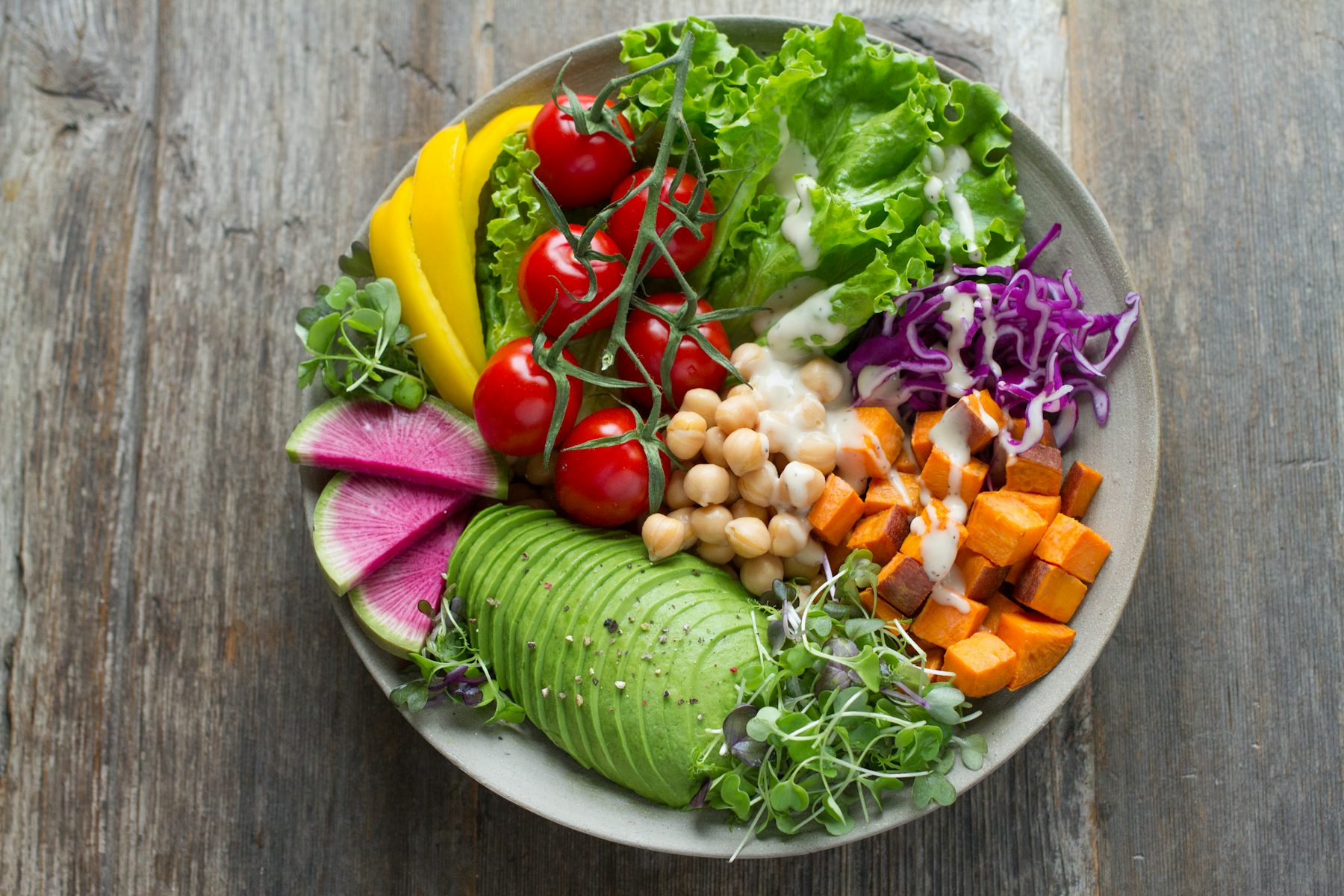
Resistant starch is a type of starch that is not fully digested in the small intestine. It reaches the large intestine, where gut microbes can ferment it. This makes it a form of dietary fibre, although the amount in a food depends on its variety, processing, cooking and storage. Resistant starch is found naturally in some foods and can also form when certain starchy foods are cooked and cooled.
How resistant starch works
Most starch is broken down into glucose and absorbed in the small intestine. Resistant starch resists some of this digestion and passes into the colon. There, gut microbes ferment it and produce short-chain fatty acids, including butyrate. These compounds are involved in normal bowel and metabolic processes and are an active area of research.
Different types of resistant starch behave differently. Some are naturally protected within the structure of whole foods, some are present in raw or less-ripe starches, and some form when cooked starch cools. Food processing and preparation can change how much is present, so there is no single fixed amount for a particular food in every meal.
Where to find it
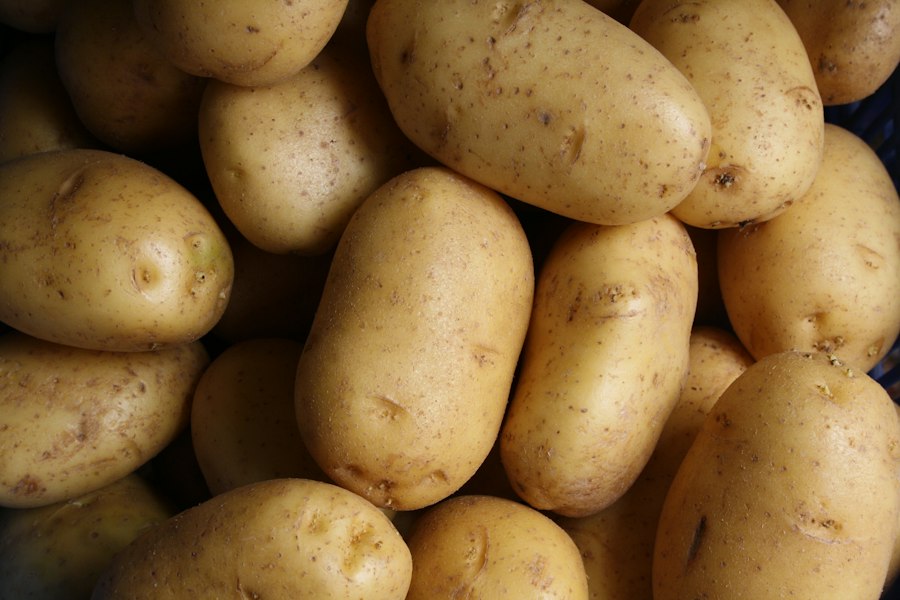
Useful food sources include beans, lentils, chickpeas, some whole grains, green bananas and cooked-and-cooled potatoes or rice. Oats and other minimally processed grains can contribute resistant starch as part of a fibre-rich diet. The amount varies, and these foods provide other nutrients too, including protein, vitamins, minerals and different types of fibre.
Cooking and cooling can increase resistant starch in some starchy foods through a process called retrogradation. For example, some of the starch in potatoes or rice changes structure as the food cools. Reheating may leave some resistant starch present, but the amount depends on the food and preparation. It is not necessary to chill food to obtain a healthy diet; freshly cooked potatoes, rice and grains still provide useful nutrients.
Practical ways to include it
Add beans or lentils to soups, stews, salads and curries, or use them to replace some of the meat in a meal. Choose whole grains where practical and add oats to breakfast. Green banana flour is another source used in some recipes, but it is concentrated and may cause digestive symptoms if introduced in large amounts. Ordinary foods are usually a sensible starting point rather than high-dose powders or supplements.
If you prepare rice or potatoes ahead, food safety is essential. Cool cooked rice quickly, ideally within one hour, store it in the refrigerator, use it within 24 hours and reheat it only once until steaming hot throughout. Do not leave cooked rice at room temperature for extended periods: Bacillus cereus spores can survive cooking and may produce toxins. Follow current food-safety guidance for other cooked foods as well.
Digestive effects and tolerance
Because resistant starch is fermented by gut bacteria, increasing it can cause wind, bloating or changes in stool frequency, particularly if your usual fibre intake is low. Increase portions gradually and drink enough fluid. People with IBS may be sensitive to some foods that contain resistant starch, such as certain pulses or green banana products, although responses differ. A food can be nutritious and still not suit every digestive system.
If you have a condition requiring a specific diet, such as a medically prescribed low-FODMAP plan, ask your dietitian how to include suitable sources. Resistant starch and FODMAPs are not the same thing, but many foods contain several fermentable components. Portion size and the whole meal can influence symptoms.
What does the evidence say?
Research suggests resistant starch can alter fermentation and increase production of short-chain fatty acids. Studies are investigating possible effects on bowel function, insulin sensitivity, blood glucose and other markers of health. However, results differ according to the type and amount of resistant starch, study design and participants. Changes in a laboratory marker do not automatically demonstrate a meaningful long-term health benefit.
It would be an overstatement to say that resistant starch “heals the gut”, prevents bowel disease or guarantees weight loss. It is one component of dietary fibre and can be included in a balanced eating pattern, but no single fibre type replaces overall diet quality, medical care or an appropriate treatment plan.
Food first, supplements with caution
Resistant-starch powders and concentrated ingredients are available, but they are not essential for most people. They may cause gas or discomfort, and products can differ in composition and serving size. If you are considering a supplement for a health condition, ask a healthcare professional rather than relying on marketing claims. People with significant digestive disease or a medically restricted diet should seek individual advice.
When to seek advice
Speak with a GP if you have persistent changes in bowel habits, unexplained weight loss, ongoing abdominal pain or symptoms that are getting worse. Seek prompt medical advice for blood in the stool, fever, dehydration, severe pain or persistent vomiting. Do not assume new symptoms are simply a reaction to eating more fibre.
Key point
Resistant starch is a useful part of the wider fibre story. Beans, lentils, whole grains, green bananas and safely stored cooked-and-cooled starches can provide it. Build intake gradually, choose foods you tolerate and keep food safety in mind; there is no need for a specialised supplement or a rigid eating routine.
Further information: NHS: Eat well and Food Standards Agency: Chilling food safely.

The items below are optional tools or reading related to this topic. They are not treatments, and a product listing is not evidence that a product will improve symptoms. Check suitability and product information before buying.
As an Amazon Associate, Gut Health Glossary earns from qualifying purchases.
This article is intended for general educational purposes. It is not a diagnosis or a substitute for advice from a qualified healthcare professional. Seek medical advice about symptoms or concerns specific to you.