What are probiotics?
Probiotics are live microorganisms that, when administered in adequate amounts, confer a health benefit on the person taking them. This definition matters because not every fermented food or supplement is automatically a probiotic. To support a probiotic claim, the organism, amount and benefit need to be specified and supported by evidence.
Probiotic organisms are often bacteria, although some yeasts are also used. Labels may name a genus, species and strain. The strain is important: two organisms within the same species can have different properties, so evidence for one strain cannot simply be applied to every product containing a similar-sounding name.
What are prebiotics?
Prebiotics are substances used by microorganisms in the body that provide a health benefit. Many familiar prebiotics are types of dietary fibre or related carbohydrates that pass through the small intestine and can be used by selected gut microbes. Examples include inulin, fructooligosaccharides (FOS) and galactooligosaccharides (GOS). Some foods naturally contain these compounds, including onions, garlic, leeks, asparagus, chicory root, beans and certain wholegrains.
Not all fibre is technically a prebiotic. Fibres differ in structure, solubility and how readily they are fermented. Some are fermented quickly and may produce gas; others are less fermentable and mainly help add bulk to stools. The terms should not be used interchangeably.
The difference in simple terms
A probiotic is a live microorganism supplied in a suitable amount. A prebiotic is a substance that certain microorganisms can use. One introduces selected microbes; the other provides a resource for microbes already present. The two can be used together in products described as synbiotics, although the combination still needs evidence of benefit rather than relying on the label alone.
Where can you find them in food?
Probiotic foods may include yoghurt with live cultures, kefir and some fermented vegetables. Processing and pasteurisation matter: heating after fermentation can kill live organisms, and not every product contains strains that have been studied for a particular health outcome. Check the label if live cultures are important to you. Fermented foods can still be nutritious even when they are not a clinically tested probiotic.
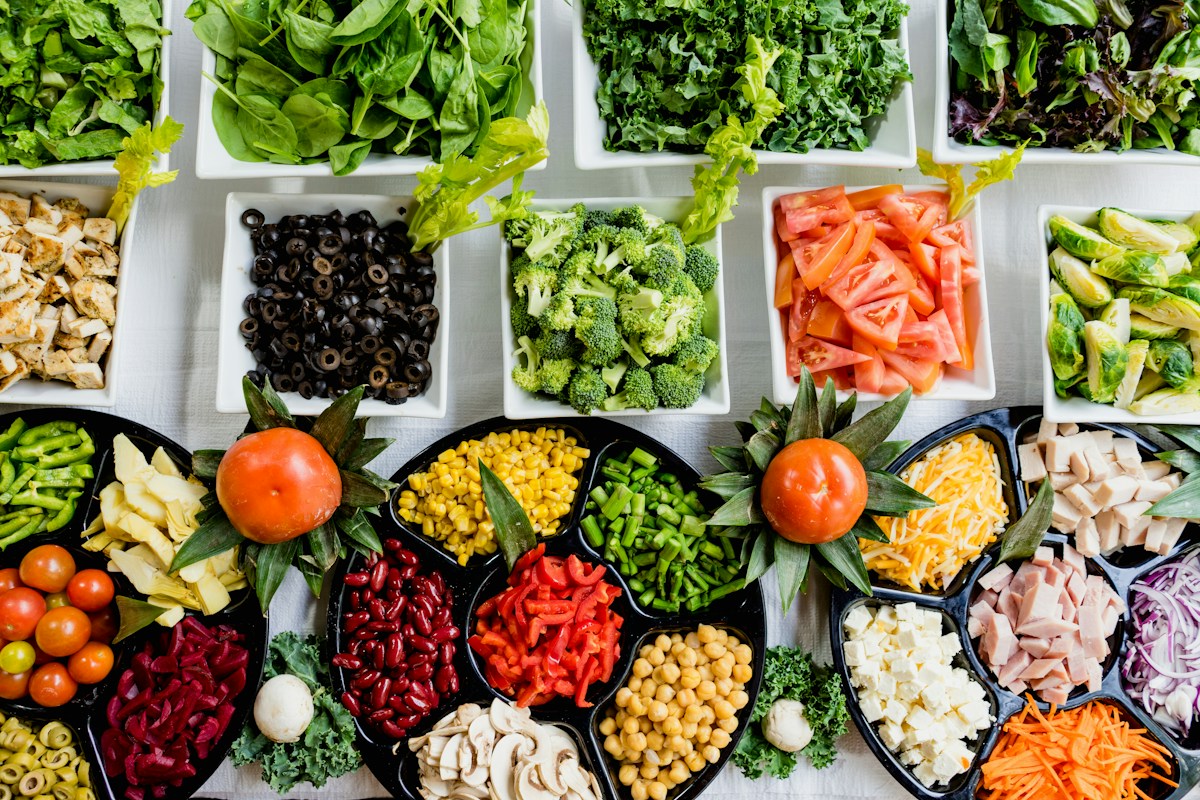
Prebiotic fibres occur in many plant foods. Onions, garlic, leeks, asparagus, chicory, oats, legumes, slightly green bananas and some other foods provide fermentable carbohydrates or fibres that gut microbes can use. Food composition varies, and a food does not need to carry a “prebiotic” claim to contribute useful fibre.
Do probiotics improve gut health?
The evidence is condition-specific. Some probiotic strains have been studied for particular forms of diarrhoea or symptoms associated with irritable bowel syndrome, but results are mixed and depend on the strain, dose, population and outcome measured. A finding for one product does not prove that all probiotic supplements work. For many advertised benefits, evidence is limited or not convincing.
Probiotics are not a substitute for diagnosing the cause of persistent symptoms. They do not reliably “repopulate” the gut after every course of antibiotics, and they are not a general detox. If you are considering a supplement, look for the full strain name, amount supplied, storage instructions and a clearly stated reason for use. Be cautious of products making broad promises about immunity, weight loss or curing digestive disease.
Can prebiotics cause symptoms?
Because some prebiotic fibres are fermented by gut bacteria, they can increase gas and bloating, especially when intake rises quickly. People with IBS may be sensitive to particular fermentable carbohydrates, including some foods rich in inulin or FOS. This does not mean fibre should be avoided altogether. The type and amount matter, and tolerance differs between individuals.
Increase fibre gradually and consider a range of sources rather than relying on one concentrated supplement. If you have a diagnosed digestive condition or follow a medically advised diet, discuss major changes with a registered dietitian or healthcare professional.
What about synbiotics?
A synbiotic combines live microorganisms with substrates that are selectively used by microorganisms and provide a health benefit. Some products combine a probiotic strain with a prebiotic fibre. The combination is not automatically better than either component alone; the specific formulation needs to be studied. Marketing terms on their own do not establish effectiveness.
Who should take care with supplements?
Most healthy adults tolerate commonly used probiotic products, but supplements are not suitable for everyone. People who are seriously ill, have a weakened immune system or have complex medical conditions should seek medical advice before using them. Product quality and contamination control also matter. Do not delay medical care because you are trying a supplement.
Key points
- Probiotics are live microorganisms with a demonstrated benefit in a defined context.
- Prebiotics are substances used by selected microbes that provide a health benefit.
- Food sources can contribute useful microbes or fermentable fibres, but not every fermented food is a probiotic treatment.
- Benefits are strain- and condition-specific; broad marketing claims deserve caution.
- Increase fermentable fibre gradually, especially if you experience bloating.
Further reliable information: NHS: Good foods to help your digestion; US National Center for Complementary and Integrative Health: Probiotics.

The items below are optional tools or reading related to this topic. They are not treatments, and a product listing is not evidence that a product will improve symptoms. Check suitability and product information before buying.
As an Amazon Associate, Gut Health Glossary earns from qualifying purchases.
This article is intended for general educational purposes. It is not a diagnosis or a substitute for advice from a qualified healthcare professional. Seek medical advice about symptoms or concerns specific to you.