What is constipation?
Constipation is more than simply not having a bowel movement every day. It usually means passing stools less often than is normal for you, or having hard, dry stools that are difficult or painful to pass. Other features include straining, a feeling that the bowel has not emptied completely, or needing extra time or effort to go. Someone can be constipated even if they pass stool regularly.
Bowel frequency varies between people. A change from your normal pattern, particularly when it continues, is worth paying attention to. Occasional constipation is common and often improves with simple measures, but persistent symptoms may have an underlying cause that needs assessment.
Common causes of constipation
Not eating enough fibre is one possible contributor. Fibre helps add bulk to stool, and some types hold water or are fermented by gut bacteria. A diet with few vegetables, fruit, pulses and wholegrains may provide less fibre than the bowel needs for comfortable movement. A sudden change in diet can also alter bowel habits.
Not drinking enough fluid can make stools harder, especially if fibre intake is low. Being less active, sitting for long periods, changes in routine, travel and ignoring the urge to open your bowels can also contribute. Stress and anxiety may affect bowel function.
Medicines are another important cause. Opioid painkillers, some antidepressants, iron supplements, certain antacids and some medicines used for blood pressure can cause constipation. Medical conditions such as an underactive thyroid, diabetes, neurological disorders and problems affecting the pelvic floor may also play a role. Do not stop a prescribed medicine without discussing it with your clinician.
Practical steps that may help
Increase fibre gradually
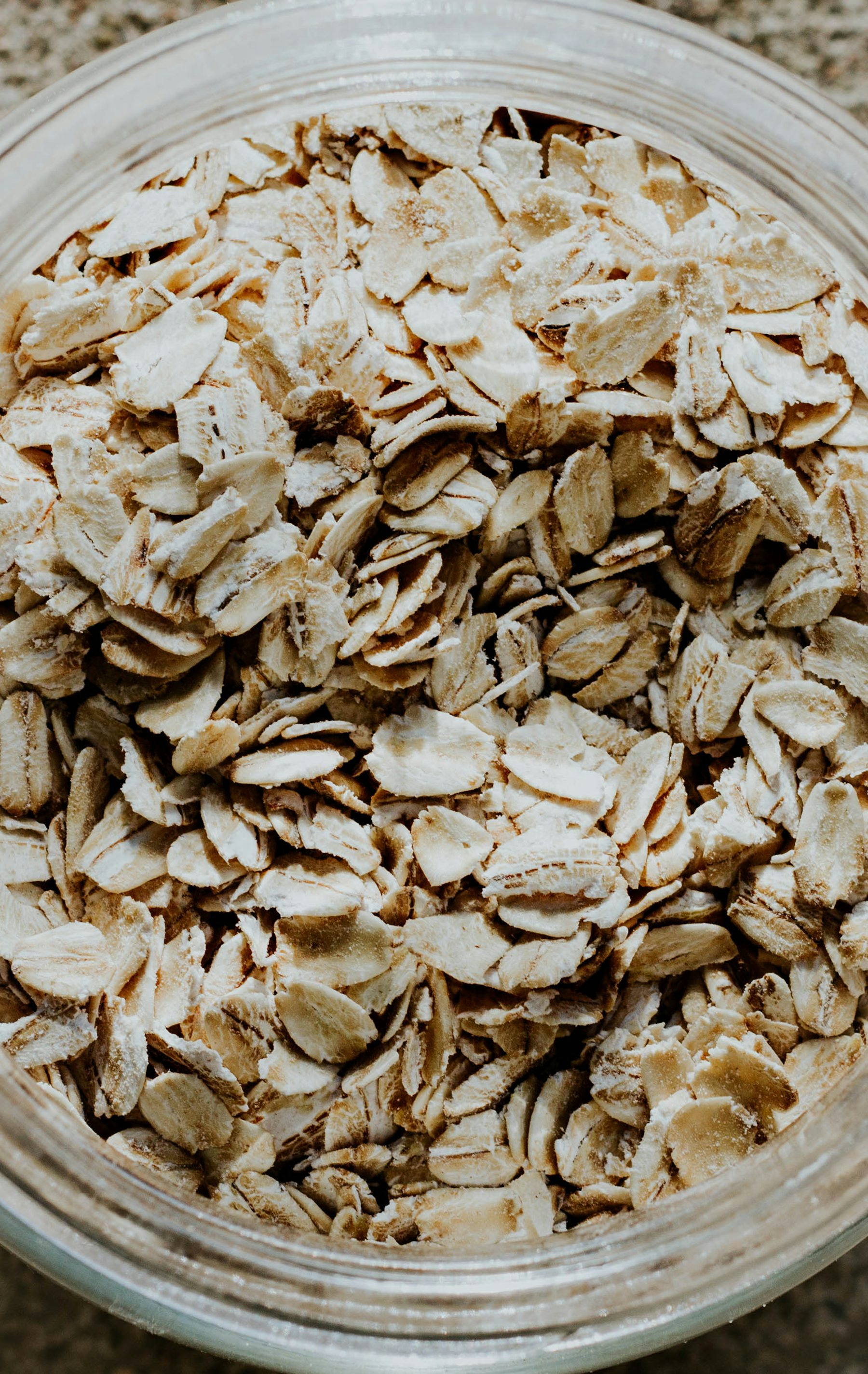
Include fibre-rich foods such as oats, wholemeal bread, vegetables, fruit, beans, lentils, nuts and seeds. Increase portions over time rather than making a sudden large change, which can cause wind and bloating. Some people find soluble fibre, such as oats or psyllium, easier to tolerate than large amounts of bran. If you have a diagnosed bowel condition or a history of bowel narrowing, ask for professional advice before substantially increasing fibre.
Drink enough fluid
Regular fluids help prevent dehydration and support softer stools. Water is a useful choice, although other drinks also contribute. Needs vary with body size, activity, weather and health. People who have been advised to restrict fluids because of a heart or kidney condition should follow their clinician’s guidance rather than increasing drinks independently.
Build movement into the day
Walking and other regular physical activity can support normal bowel function. You do not need an intensive exercise programme to begin: a daily walk or breaking up long periods of sitting may be a realistic first step. Choose activity that is suitable for your health and mobility.
Respond to the urge
Try not to repeatedly delay going to the toilet. Allow enough time and consider sitting on the toilet after breakfast or another meal, when the bowel may be naturally more active. Resting your feet on a low footstool can place your knees above your hips and may make it easier to pass stool. Avoid prolonged straining.
Are laxatives useful?
Laxatives can help when lifestyle measures are not enough, but the appropriate type depends on the person and the cause of constipation. Bulk-forming laxatives increase stool bulk and need adequate fluid. Osmotic laxatives draw water into the bowel. Stimulant laxatives encourage bowel muscle contractions, while stool-softening products work in a different way. A pharmacist can help choose a suitable short-term option and explain how to use it.
Do not exceed the recommended dose or use laxatives repeatedly without advice. Persistent constipation, the need for frequent laxatives or symptoms that do not improve should be discussed with a GP. Severe abdominal pain, vomiting or an inability to pass wind may indicate a more serious problem and should not be treated by simply taking more fibre or laxatives.
When constipation needs medical assessment
Arrange a GP appointment if constipation is new and persistent, does not improve with reasonable self-care, keeps returning, or is accompanied by abdominal pain, unexplained weight loss or a lasting change in bowel habits. Blood in the stool should be checked, even if you think it may be due to piles. A clinician may review medicines, examine you and arrange tests depending on your symptoms.
Seek urgent medical advice if you have severe or worsening abdominal pain, vomiting, marked swelling or cannot pass stool or wind. These symptoms can have causes that need prompt assessment.
What can a GP investigate?
The assessment usually begins with questions about how long constipation has been present, stool consistency, diet, fluid intake, medicines and other symptoms. Depending on the history, a clinician may consider blood tests or other investigations to look for an underlying condition. Some people have difficulty coordinating the muscles used to empty the bowel; this may require specialist assessment rather than simply changing diet.
Key points
- Constipation is about stool consistency, effort and change as well as frequency.
- Fibre, fluid, movement and toilet routine can help, but changes should be gradual.
- Medicines and medical conditions are common contributors.
- A pharmacist can advise on short-term laxative use.
- Persistent symptoms, bleeding, weight loss or severe pain need medical assessment.
Further reliable information: NHS: Constipation; NIDDK: Constipation.

The items below are optional tools or reading related to this topic. They are not treatments, and a product listing is not evidence that a product will improve symptoms. Check suitability and product information before buying.
As an Amazon Associate, Gut Health Glossary earns from qualifying purchases.
This article is intended for general educational purposes. It is not a diagnosis or a substitute for advice from a qualified healthcare professional. Seek medical advice about symptoms or concerns specific to you.